In today’s economic climate, operational efficiency is essential for competitiveness. Logistics and distribution centres face constant scrutiny regarding overhead costs, with energy consumption and maintenance often representing significant drains on profitability.
While many facility managers prioritise inventory turnover or fleet logistics, an effective solution for substantial cost reduction may be right above their heads. Switching to advanced industrial lighting is one of the fastest ways to achieve a significant return on investment (ROI).
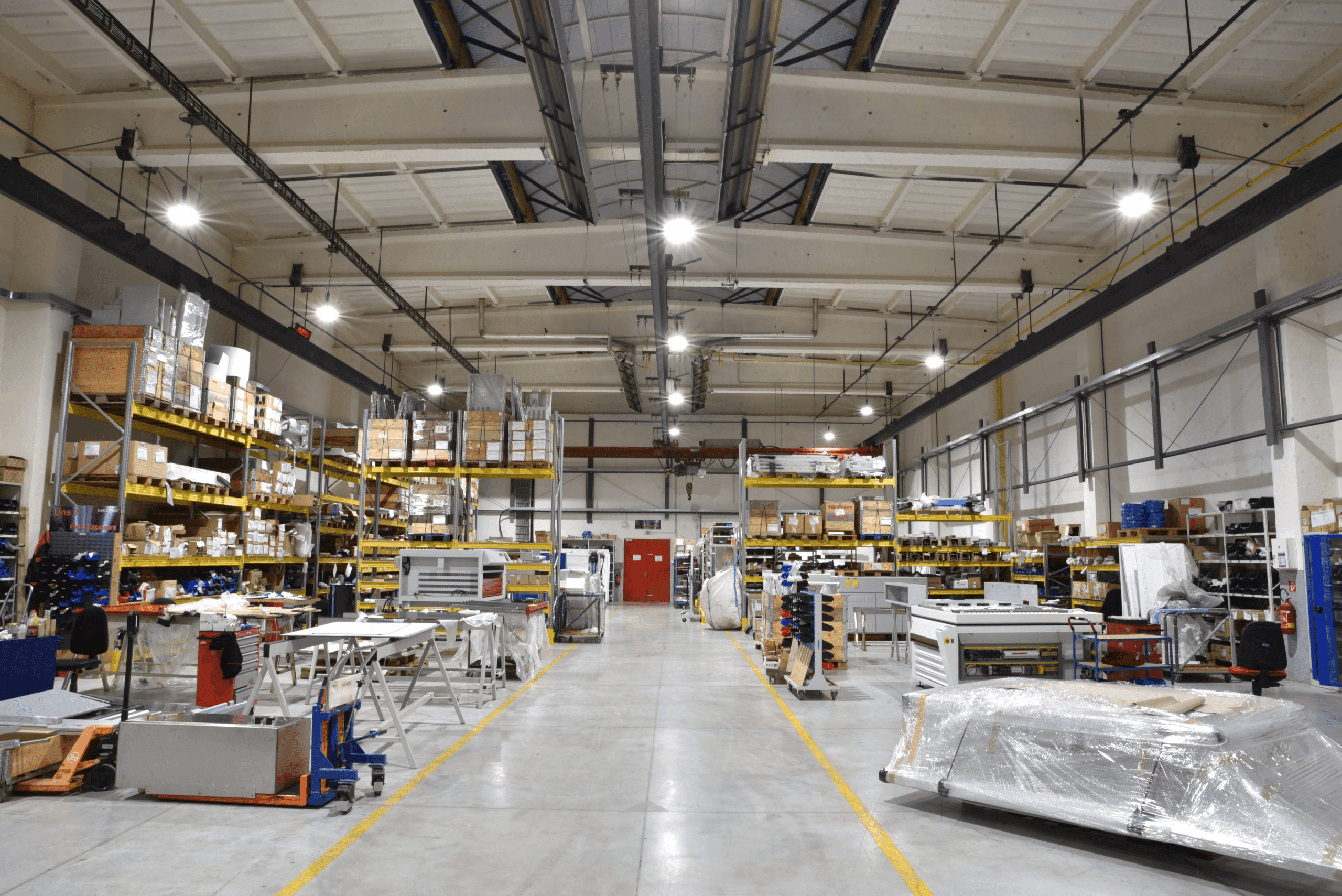
Here are five ways high bay lights, specifically engineered for warehouse environments, can significantly reduce your operational expenses:
1. Drastic Reduction in Energy Consumption
The most immediate way to reduce energy bills in an industrial setting is to transition to LED lighting. Traditional metal halide or high-pressure sodium lamps are notoriously inefficient, wasting a large percentage of energy as heat rather than producing usable light.
In contrast, modern LED high bay lights provide superior lumen output while using 60-70% less electricity. For a warehouse operating 24/7, this reduction in kilowatt-hours (kWh) can translate into annual savings of thousands of pounds across the facility.
2. Eliminating Maintenance Debt
Conventional warehouse lighting requires frequent bulb replacements and ballast repairs. In high-ceiling environments, this often requires hiring scissor lifts or cherry pickers, which demand specialised technicians and result in temporary aisle closures, causing costly downtime.
LED industrial fixtures, being solid-state components, have lifespans exceeding 50,000 to 100,000 hours. By installing high-quality LEDs, you can eliminate maintenance cycles for a decade or more, allowing your facilities team to focus on more critical tasks.
3. Intelligent Dimming and Occupancy Sensing
Unlike traditional lighting, which requires a “warm-up” period, LEDs offer instantaneous on/off switching. This enables the integration of smart sensors:
- PIR Occupancy Sensors: Lights activate only in aisles currently in use, ensuring you aren’t illuminating space.
- Daylight Harvesting: Integrated sensors adjust the output of your high bay lights based on natural light entering through skylights.
This level of control ensures that your lighting system only uses power when necessary, further reducing energy costs.
4. Improved Worker Productivity and Safety
The quality of lighting is directly linked to operational accuracy. Poor illumination contributes to picking errors, eye strain, and a higher incidence of workplace accidents.
High-specification warehouse lighting provides a superior colour rendering index (CRI) and uniform light distribution. When staff can read labels clearly and navigate aisles safely, picking speeds increase, leading to fewer expensive insurance claims or inventory damage. Improved safety is not just a compliance requirement; it directly contributes to your bottom line.
5. Reduced HVAC Load
In climate-controlled warehouses or cold storage facilities, traditional lighting can increase the demand on cooling systems. HID and fluorescent lamps emit significant infrared heat, forcing your HVAC system to work harder to maintain ambient temperatures.
LEDs, on the other hand, remain cool to the touch. By minimising the heat generated by your ceiling fixtures, you reduce strain on your cooling infrastructure, providing an additional avenue to lower energy bills.
The Strategic Investment
Upgrading your industrial lighting is more than just a facility update; it is a strategic financial decision. With available energy efficiency grants and long-term tax benefits associated with capital equipment upgrades, transitioning to LED high bays often pays for itself in under 24 months.
At LED and Power, we specialise in high-performance lighting solutions that meet the demands of the UK’s industrial sector.
Are you ready to conduct a site audit and discover the projected savings for your facility? Contact the LED and Power team today for a professional consultation.
The Financial Impact: A 20,000 sq. ft. Case Study
In this scenario, we assume a facility operating 12 hours a day, 6 days a week, with a standard electricity tariff.
Current Infrastructure (Metal Halide)
- Fixture Count: 50 units
- Wattage per Fixture: 450W (including ballast draw)
- Annual Energy Consumption: ~84,240 kWh
- Annual Energy Cost (at £0.25/kWh): £21,060
Upgraded Infrastructure (LED High Bays)
- Fixture Count: 50 units (Optimised layout)
- Wattage per Fixture: 150W
- Annual Energy Consumption: ~28,080 kWh
- Annual Energy Cost (at £0.25/kWh): £7,020
Key ROI Milestones
- Payback Period: Typically achieved within 14 to 18 months, depending on the specific fixtures selected and installation complexity.
- Cumulative 5-Year Savings: Exceeding £78,000, which can be reinvested into core business operations or fleet expansion.
- Carbon Reduction: An estimated reduction of 15–20 tonnes of CO2 per year, significantly bolstering your corporate social responsibility (CSR) credentials.
Technical Considerations
When reviewing your site audit, focus on these three technical metrics to ensure the longevity of your investment:
- Lumen Maintenance (L70): Look for fixtures rated for at least 50,000 hours at 70% brightness.
- Colour Rendering Index (CRI): Ensure a CRI of 80+ for areas where picking accuracy and label legibility are critical.
- UGR (Unified Glare Rating): In high-activity warehouses, a UGR <22 prevents operator fatigue and improves forklift safety.
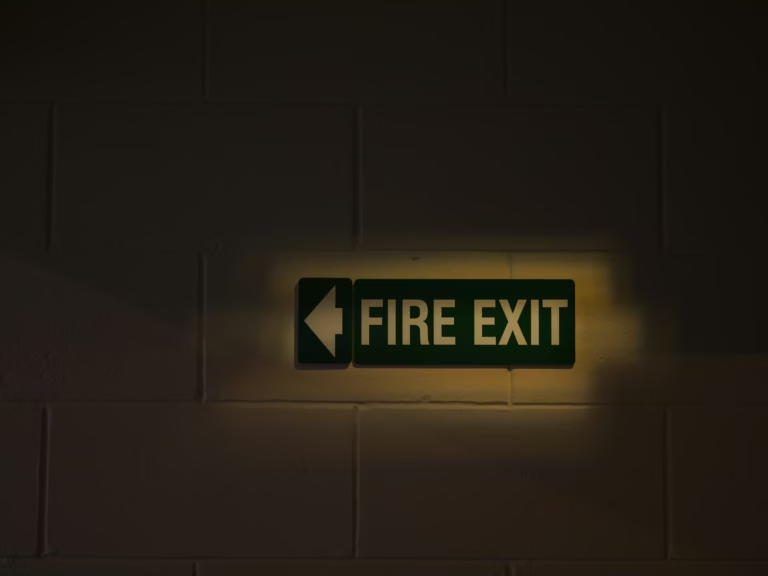
- Emergency Lighting: Emergency lighting in warehouses is a legal requirement that ensures at least three hours of illumination during power outages. This lighting is crucial for safe evacuation and the identification of hazards. Key solutions for emergency lighting include high-bay LED emergency lights, durable bulkhead lights, and illuminated exit signs. Many of these options come with self-testing features to ensure compliance with regulations.