
How do LED Lights Help the Environment?
In today’s commercial landscape, sustainability has evolved from a corporate social responsibility (CSR) buzzword to…
Read articleSports Sector — Tennis Courts
Lighting for Indoor & Outdoor Courts
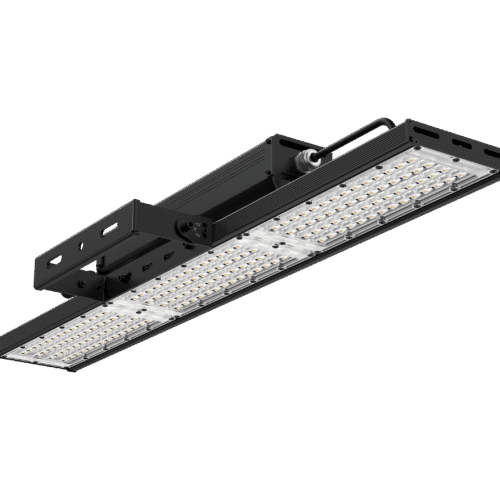
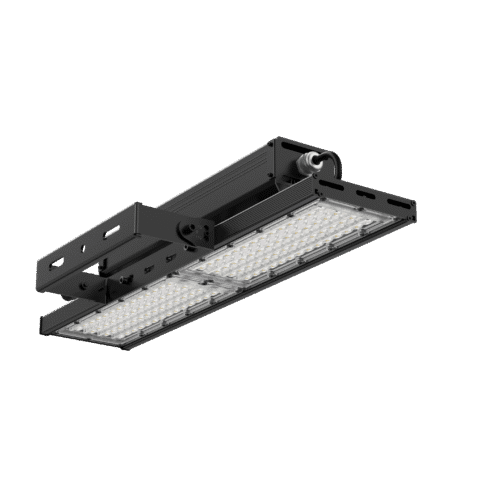
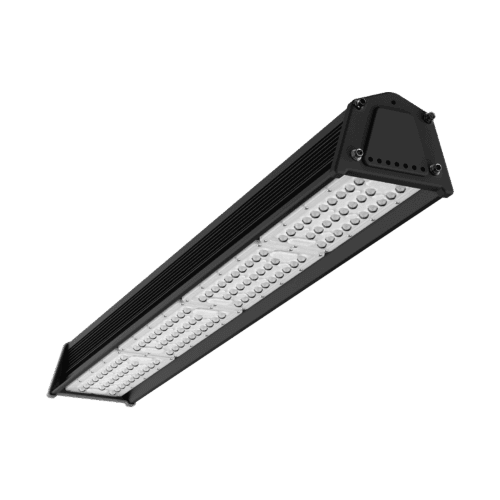
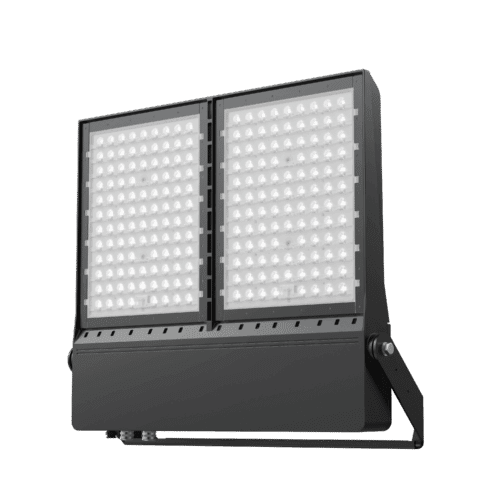
We've spent years lighting tennis courts across the UK, indoor and outdoor, for clubs, schools and private courts. Our range spans linear LED and asymmetric floodlights through to tournament-standard fixtures, all built around premium OSRAM, Philips and CREE LEDs. Switching to LED can cut energy costs by up to 60%, with brighter, more uniform light and far lower maintenance.
Exclusive trade pricing, dedicated account management and priority stock allocation — set up your account in minutes.
Why choose us
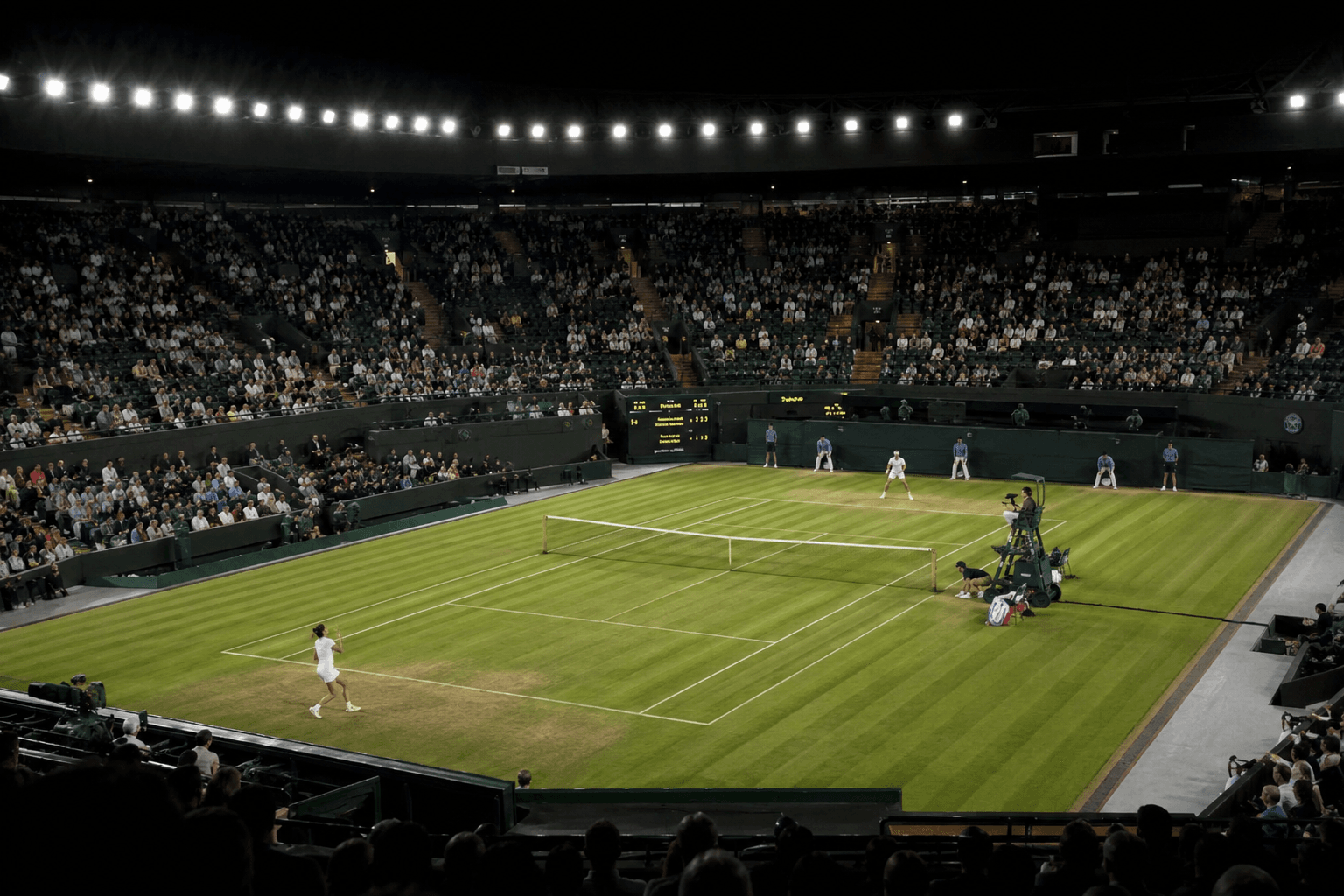
With years of experience supplying and designing sports floodlighting across the UK, we help tennis court owners get the lighting right first time. We specify only proven, premium LED fixtures, the best lights in the industry, and put them in the right places using full lux and layout calculations. From your first enquiry to the final column, you get expert support, honest advice and a system designed to meet your level of play, your court type and your budget.
Showing 1–12 of 12 results
Lighting standards
The table below shows recommended lighting levels for the court and the ancillary spaces in a tennis facility, based on LTA guidance and EN 12193 (sports lighting) for the playing area, and EN 12464-1 for indoor and circulation areas. Our lighting designers use these values when producing your free photometric design.
CIBSE SLL Code for Lighting – recommended values for tennis court led lights environments
Source: LTA recommended and minimum lighting standards for outdoor floodlit courts, EN 12193 (Light and lighting, sports lighting) and EN 12464-1 for indoor and circulation spaces. Outdoor courts use the Glare Rating (GR) metric, while indoor areas use Unified Glare Rating (UGR). Broadcast figures show horizontal illuminance with a vertical illuminance (Ev) target towards the cameras. Values are a guide only. Speak to our lighting designers for site-specific calculations.
Our Service
Our specialists design and deliver a court lighting scheme tailored to your facility, indoor or outdoor. We balance light quality, uniformity and compliance with your energy and budget targets, so you get a system that performs in play and costs less to run.
We assess your court type and surface, existing columns or roof structure, mounting heights and level of play.
We produce a DIALux lux plan with column or fixture positions, wattages and predicted light levels across the court.
We confirm maintained illuminance and uniformity across the principal and total playing areas, with glare and spill light checked.
A transparent, no-obligation quote with trade pricing applied where relevant.
Your fixtures picked, packed and delivered across the UK, free over £200.
Common questions
Everything you need to know about LED lighting for your tennis court led lights.
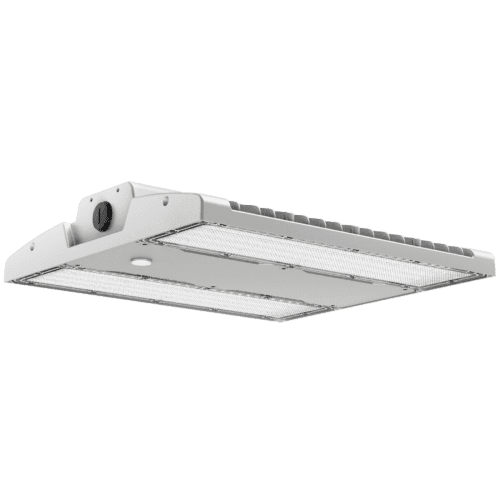
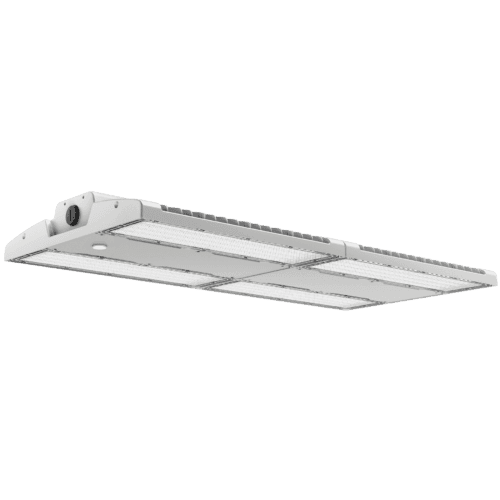
The best lighting for a tennis court is LED floodlighting with asymmetric optics, designed to put even light across the court while controlling glare for players tracking the ball. For outdoor courts, IP65 or IP66 rated fixtures on 6 to 12 metre columns work well. For indoor courts, low-glare LED high bays or linear fixtures are ideal. A colour temperature of 4000K to 5700K and a high CRI give the best ball and court visibility. The right choice depends on whether your court is indoor or outdoor and your level of play, which is why we provide a free lighting design.
Outdoor tennis court floodlighting typically costs from a few thousand pounds for a recreational scheme up to considerably more for tournament or broadcast standard courts, once columns, fixtures, wiring and installation are included. Individual LED court floodlights range from around £250 to over £1,000 depending on output and quality. The most accurate way to budget is a free lighting design and itemised quote based on your court layout and target lux level.
In the UK, the LTA recommends 500 lux in the principal playing area with a uniformity of 0.7, and 400 lux across the total playing area with a uniformity of 0.6 for outdoor floodlit courts. Under EN 12193, recreational play starts at around 200 lux, club competition at 300 to 500 lux, and national or professional play at 500 to 750 lux. Televised matches need 1000 lux or more, with attention paid to vertical illuminance for the cameras.
A tennis court typically needs around 200,000 to 300,000 lumens for recreational play, rising to 400,000 lumens or more for competition standards. The exact figure depends on the lux level you are targeting, the court size and the efficiency of the fixtures. Our designers calculate the total lumens and the number of fixtures needed as part of your free lighting design.
A tennis court is lit using floodlights mounted on columns positioned along the sides of the court, usually four to eight fixtures depending on the standard of play. Lights are mounted at 6 to 12 metres and angled to deliver even coverage with minimal glare and spill. The aim is uniform light across the principal and total playing areas, so the ball is easy to track from any position. We design the column positions, fixture counts and aiming as part of the service.
Tennis lighting in the UK and Europe follows EN 12193 (sports lighting) and LTA guidance, with the ITF setting standards for higher-level competition. These define the maintained illuminance (lux), uniformity (Uo), glare limits, colour temperature and colour rendering for each class of play, from recreational through club competition to professional and broadcast. Our lighting designs are produced to meet the relevant standard for your court.
Outdoor tennis lighting uses weatherproof IP65 or IP66 floodlights on columns, designed to deliver light onto the court while limiting spill into surrounding areas and controlling glare using the GR metric. Indoor tennis lighting uses high bay or linear fixtures mounted to the roof structure, with glare controlled using the UGR metric and attention paid to reflections and uniformity within the hall. Indoor courts generally need higher maintained lux because there is no daylight, and fixture choice focuses on low glare and even coverage.
Our work
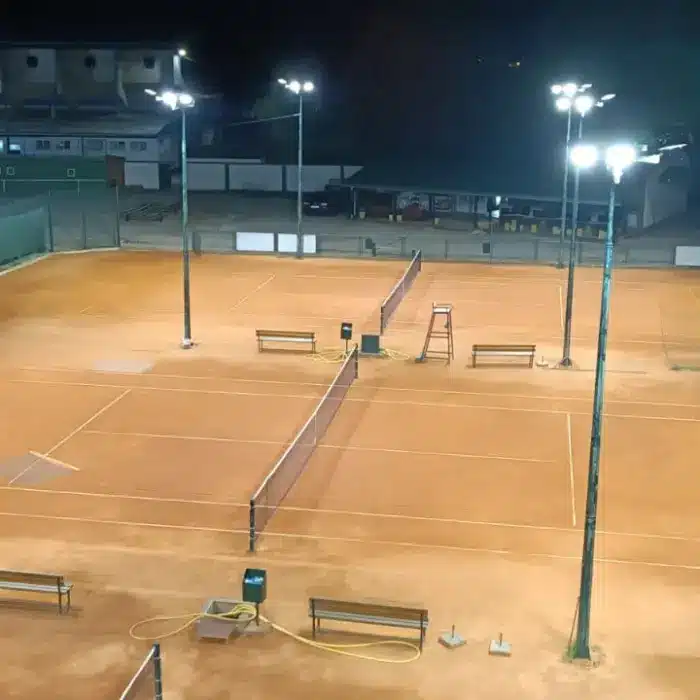
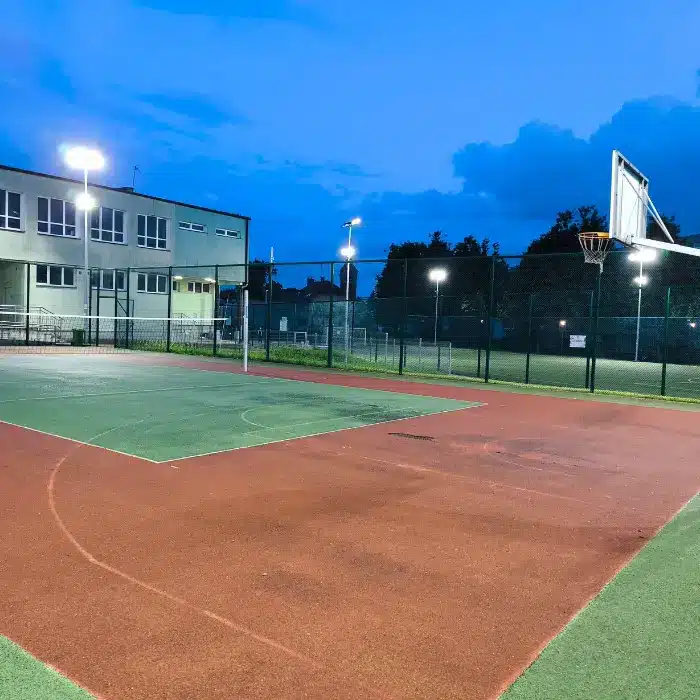
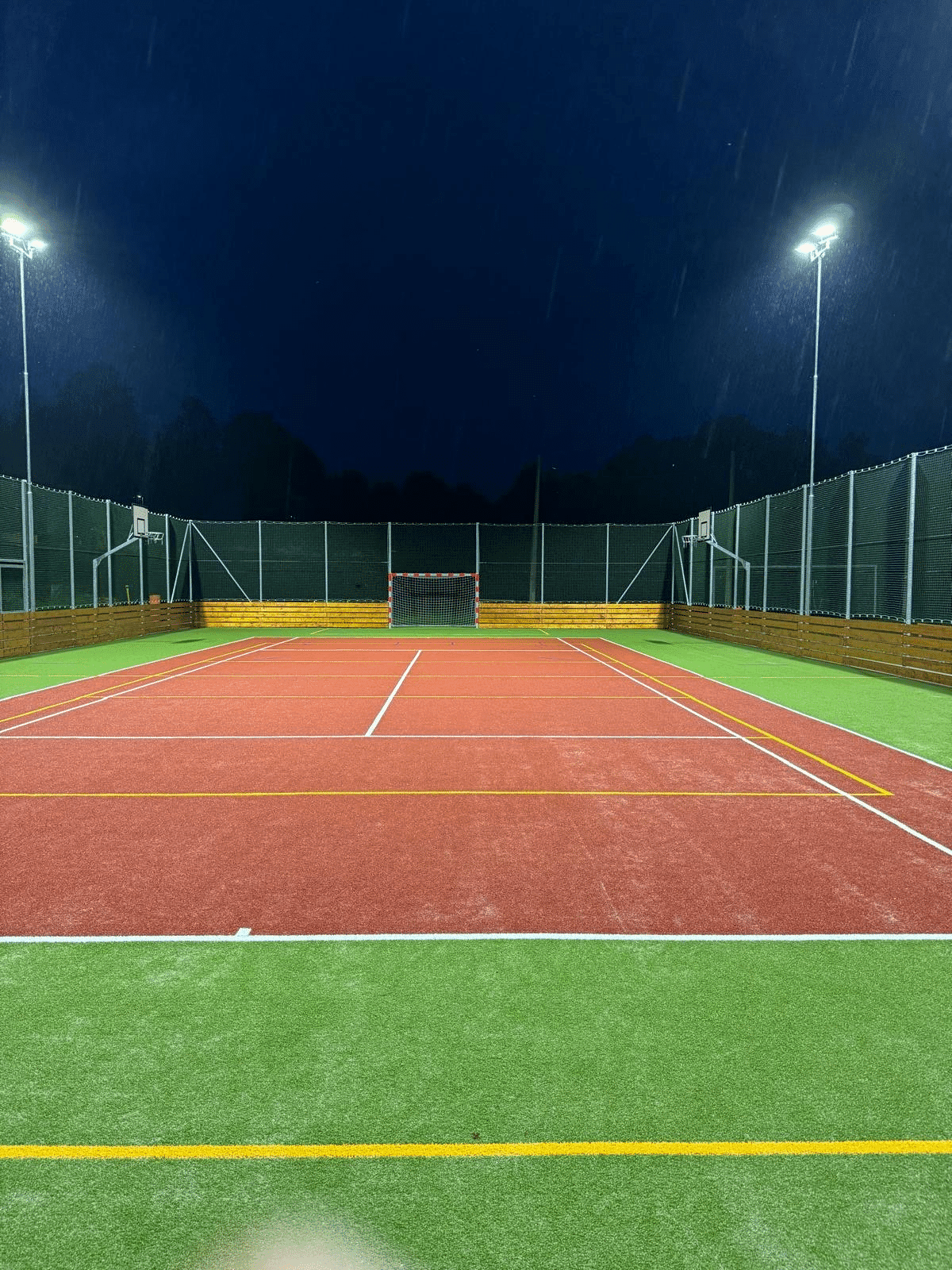
A selection of recent tennis court led lights lighting projects we’ve supplied and installed.

Insights & advice
Get started
Tell us about your site and our team will recommend the right fittings, provide a free lighting design and a tailored quote.