
How do LED Lights Help the Environment?
In today’s commercial landscape, sustainability has evolved from a corporate social responsibility (CSR) buzzword to…
Read articleSports Sector — Football Stadiums
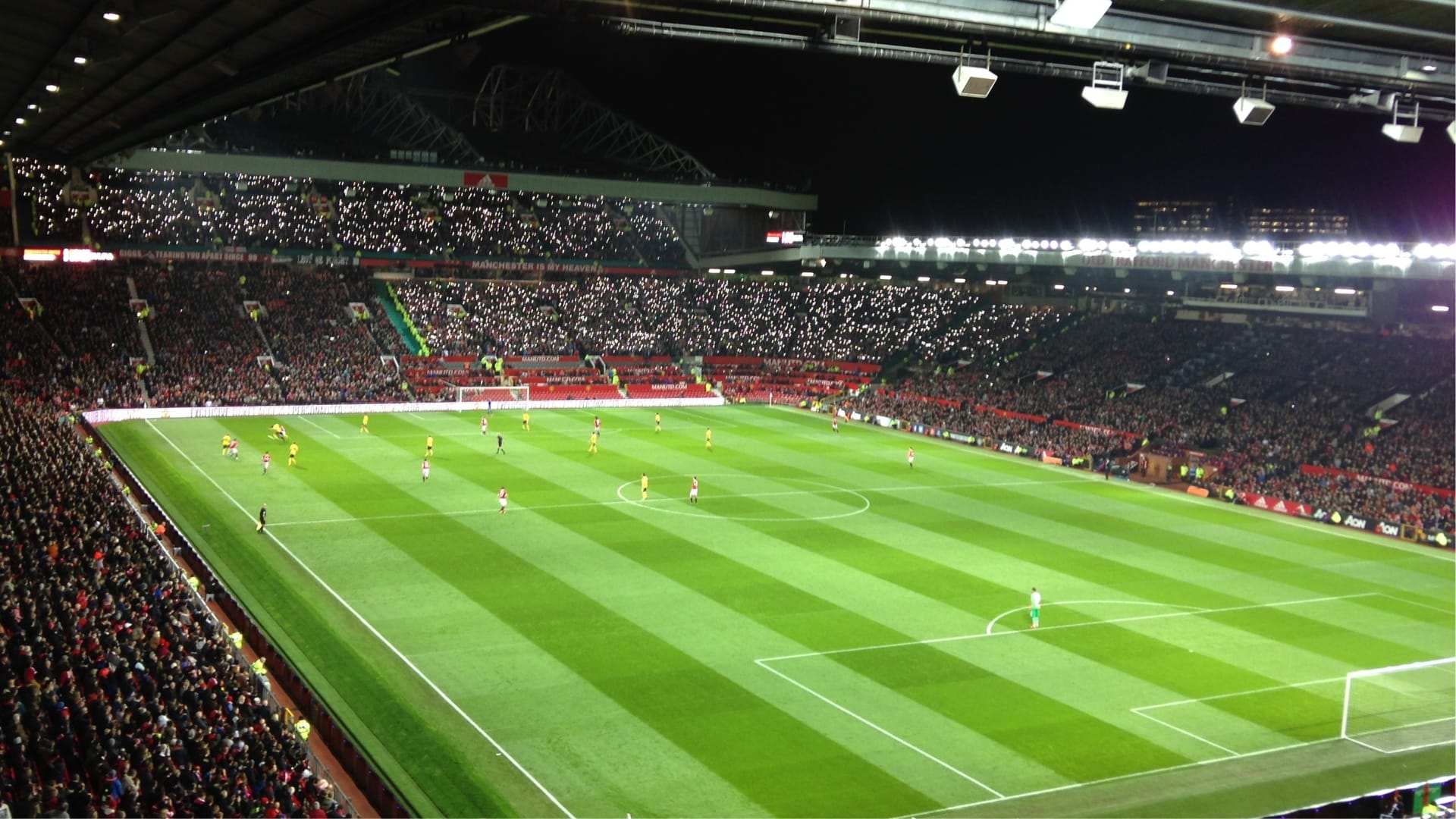
Floodlighting Built for the Beautiful Game
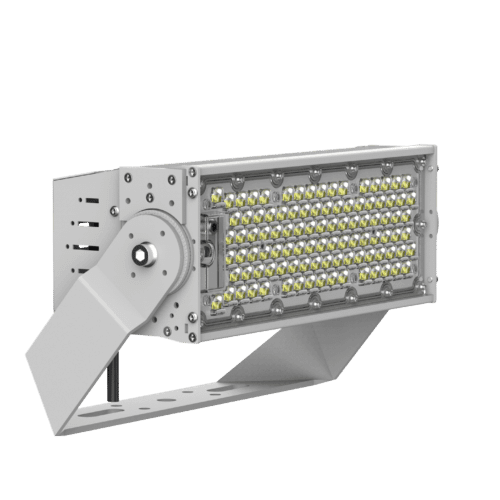
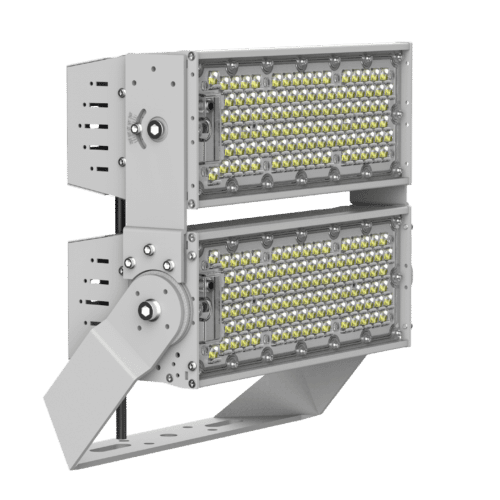
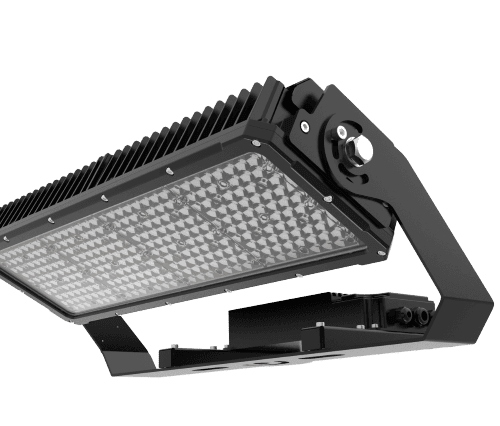
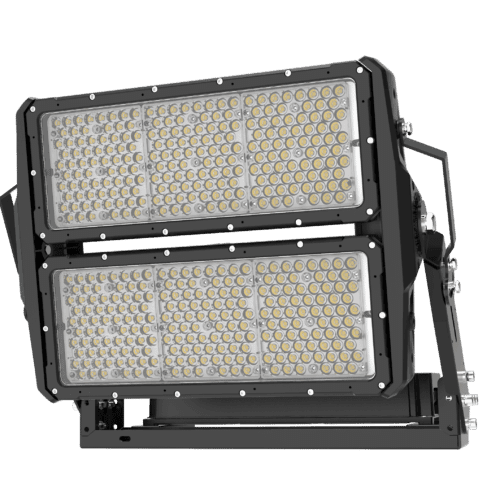
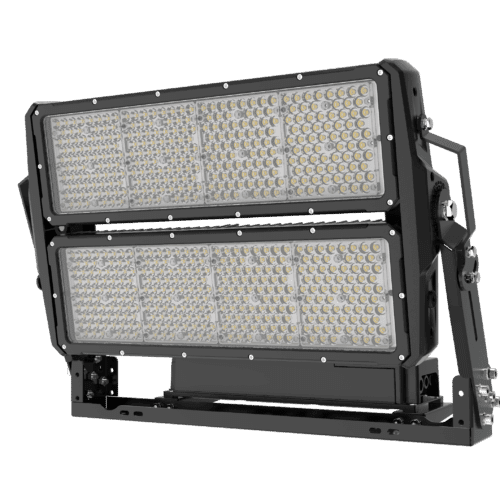
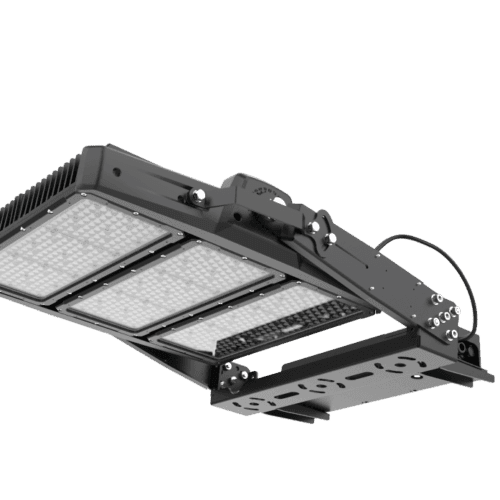
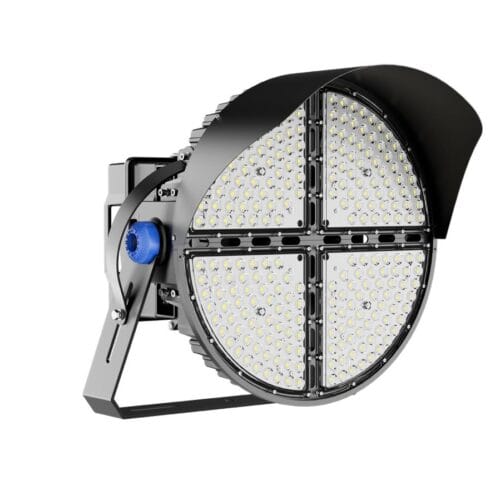
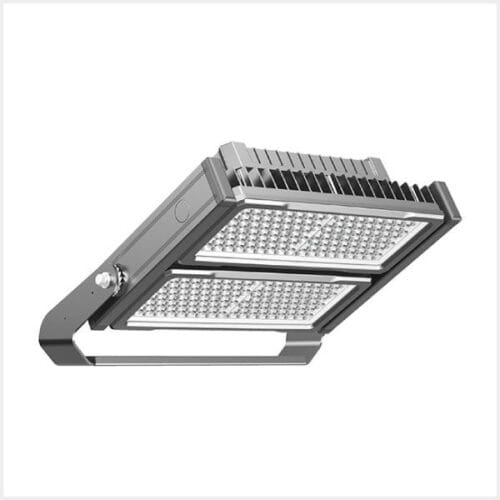
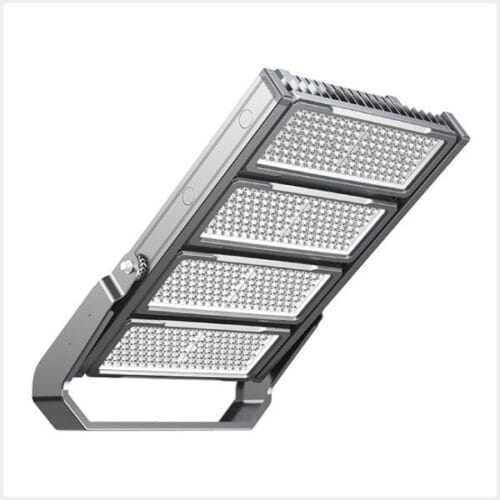
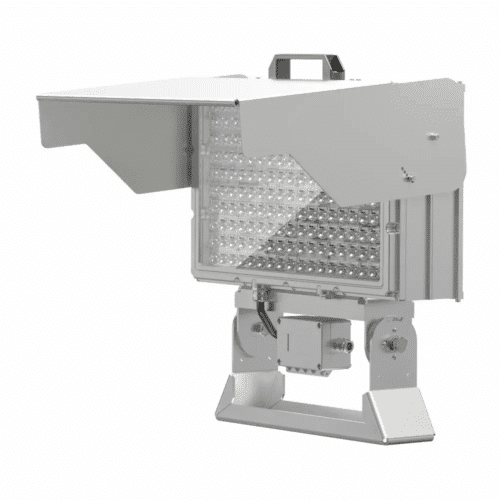
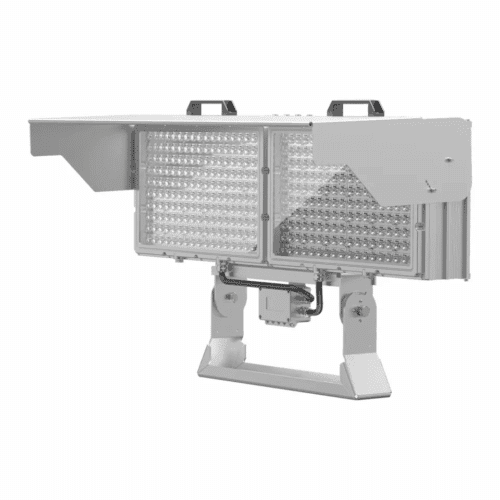
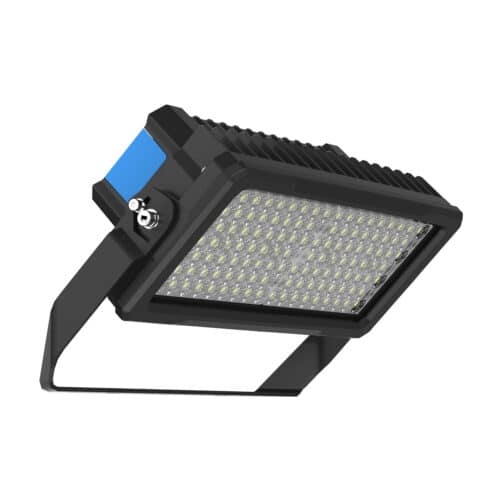
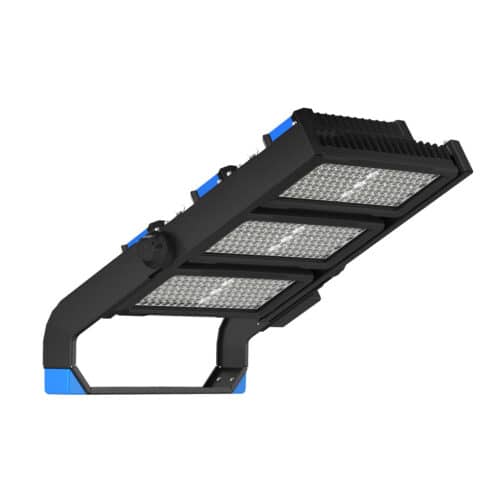
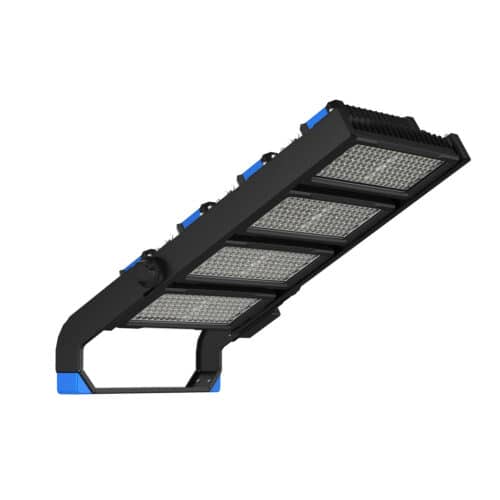
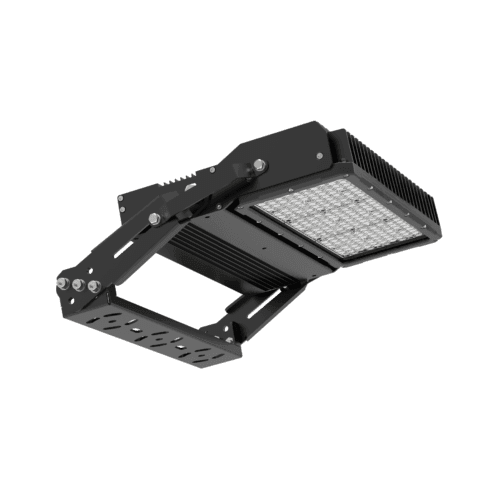
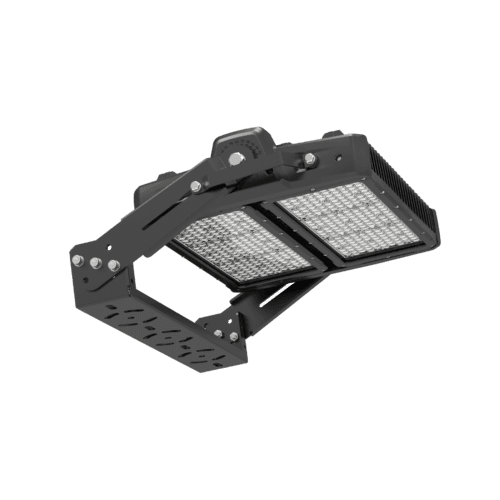
We have spent years designing football stadium lighting for UK grounds, from grassroots pitches to broadcast-ready stadiums. Our range spans compact asymmetric floodlights to 1650W high-mast units, all built around premium CREE, OSRAM and Philips LEDs. Switching to LED cuts energy costs by up to 60% against metal halide, with brighter, more even light and far lower maintenance.
Exclusive trade pricing, dedicated account management and priority stock allocation — set up your account in minutes.
Why choose us
With years of experience supplying and designing sports floodlighting across the UK, we help football stadium owners get the lighting right first time. We specify only proven, premium LED fixtures, the best lights in the industry, and put them in the right places using full lux and layout calculations. From your first enquiry to the final mast, you get expert support, honest advice and a system designed to meet your level of play.
Showing 1–18 of 18 results
Lighting standards
The table below shows recommended lighting levels for the playing area and the ancillary spaces inside a football stadium, based on EN 12193 (sports lighting), FIFA and UEFA guidance for the pitch, and EN 12464-1 for indoor and circulation areas. Our lighting designers use these values when producing your free photometric design.
CIBSE SLL Code for Lighting – recommended values for football stadium led lights environments
Source: EN 12193 (Light and lighting, sports lighting), FIFA and UEFA stadium lighting guidance for the playing area, and EN 12464-1 for indoor and circulation spaces. Outdoor sports areas use the Glare Rating (GR) metric, while indoor areas use Unified Glare Rating (UGR). Broadcast figures show horizontal illuminance with a vertical illuminance (Ev) target towards the cameras. Values are a guide only. Speak to our lighting designers for site-specific calculations.
Our Service
Our specialists design and deliver a floodlighting scheme tailored to your ground. We balance light quality, uniformity and compliance with your energy and budget targets, so you get a system that performs on match day and costs less to run.
We assess your pitch dimensions, existing masts, mounting heights, level of play and any broadcast needs.
We produce a DIALux lux plan with mast and fixture positions, wattages and predicted light levels across the pitch.
We confirm maintained illuminance, uniformity and glare control for your class of football, with spill and obtrusive light checked.
A transparent, no-obligation quote with trade pricing applied where relevant.
Common questions
Everything you need to know about LED lighting for your football stadium led lights.
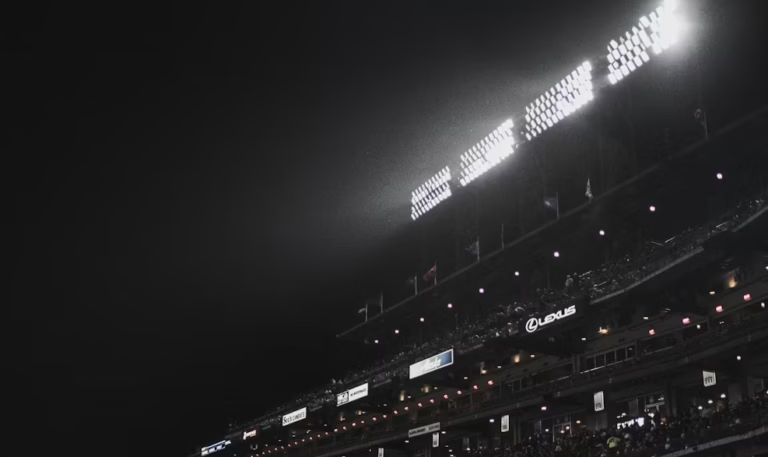
The main lights in a football stadium are called floodlights. These are high-output luminaires mounted on tall masts, gantries or roof-mounted arrays around the pitch. Modern grounds use LED floodlights, which have largely replaced older metal halide lamps. You may also hear them called stadium lights, pitch lights or sports floodlights.
Most modern football stadiums use LED floodlights with asymmetric optics, typically from 250W up to 1650W per fixture depending on pitch size and level of play. Older grounds may still run metal halide or high-pressure sodium lamps, but these are quickly being replaced by LED for their efficiency, instant strike and superior light quality. The right specification depends on whether the pitch is used for grassroots training, club competition or broadcast football.
A single LED stadium floodlight typically costs between £250 and £2,000, depending on wattage, optics and build quality. A full ground scheme covering the pitch, masts, wiring and installation can run from a few thousand pounds for a non-league venue to a great deal more for a professional, broadcast-standard stadium. The most reliable way to get an accurate figure is a free lighting design and itemised quote based on your pitch size and target lux level.
Yes, in almost every respect. LED stadium lights use far less energy than metal halide, last much longer, reach full brightness instantly with no warm-up, and deliver better uniformity and colour rendering for players, spectators and broadcast cameras. They also dim and switch on demand, which cuts running costs during training and maintenance.
The main downside is the higher upfront cost compared with traditional lamps, though this is usually recovered within two to three years through energy and maintenance savings. Lower-quality LED fixtures can also suffer from glare or flicker if poorly designed, which is exactly why specification and lighting design matter. Choosing quality LEDs and drivers such as CREE, OSRAM or Philips, paired with a proper photometric design, avoids these issues.
A single LED stadium floodlight can produce anywhere from around 100,000 to over 500,000 lumens. Measured at the pitch, levels range from roughly 75 lux for recreational training up to 500 lux for national competition, and 1000 to 2000 lux for televised matches. The brightness you need is set by your level of play and any broadcast requirements.
LED stadium lights turn on instantly and reach full brightness immediately, with no warm-up. This is a major advantage over older metal halide lamps, which could take 10 to 15 minutes to warm up and even longer to restrike after being switched off. Instant on also makes LED ideal for dimming, zoning and emergency situations.
This is a broadcast-focused principle rather than a single fixed regulation. It refers to lighting the pitch so a player at roughly average height, around 5 feet 7 inches, is well lit from any angle and viewpoint. In practice that means designing for vertical illuminance towards the cameras, not just horizontal lux on the ground, so faces, kit and the ball stay clearly visible for broadcast and spectators. Our designers factor vertical illuminance and glare control into every broadcast-standard scheme.
Quality LED stadium floodlights typically last 50,000 hours or more, which can mean well over a decade of regular use before output drops significantly. That is far longer than metal halide, which often needed relamping every few years. Longer life means fewer costly mast access visits and lower lifetime maintenance.
Insights & advice
Get started
Tell us about your site and our team will recommend the right fittings, provide a free lighting design and a tailored quote.